Blog
Signs that your kidneys are not working properly
Published on March 22, 2023 · Updated on 4 October 2026 · Dr. Medical Clinic & Lab
Your kidneys are two small, bean-shaped organs at the back of your abdomen, one on each side of the spine. Every day they filter around 110–140 litres of blood, remove waste and excess fluid through urine, and help control blood pressure, produce red blood cells and keep bones healthy. When the kidneys are damaged, the body sends some warning signs, but they often appear late. That is why it helps to know them and to get tested in good time.
Why kidney problems often go unnoticed
In its early stages, kidney disease usually causes no symptoms at all. The kidneys have a large reserve and can keep working well enough even after part of their function has been lost. You can read more in our article on chronic kidney disease.
Signs your kidneys are not working properly
When kidney function declines, you may notice:
- Swelling in the ankles, feet, hands or around the eyes, because the body holds on to fluid and salt.
- Changes in urination – foamy urine (a sign of protein in the urine), blood in the urine or very dark urine, needing to pass urine often at night, or passing less urine than usual.
- Tiredness and weakness – caused by waste building up in the blood and by anaemia, since diseased kidneys make less of the hormone erythropoietin.
- Dry, itchy skin, linked to an imbalance of minerals in the blood.
- Bad breath or a metallic taste, often together with loss of appetite and nausea.
- Trouble sleeping and difficulty concentrating.
- Muscle cramps, due to imbalances of calcium, phosphorus or potassium.
- Shortness of breath, when fluid builds up in the lungs or when there is anaemia.
Pain in the kidney area (in the back, below the ribs, on one side) usually does not come from chronic kidney disease but from kidney stones or an infection. If it comes with fever, chills or burning when you pass urine, seek medical help the same day.
If you have severe shortness of breath, chest pain, confusion, or have not passed any urine for many hours, call the emergency number 127 straight away.
Who is most at risk
- people with diabetes or high blood pressure – the two most common causes of kidney disease
- people with heart disease or obesity
- those with a family history of kidney disease
- people over 60
- those who often take anti-inflammatory painkillers, such as ibuprofen, for long periods
How kidney function is checked
A few simple tests say a lot about kidney health:
- Creatinine and eGFR in the blood – show how well the kidneys are filtering.
- Urea and electrolytes (sodium, potassium) – assess waste levels and mineral balance.
- Urine test and albumin-to-creatinine ratio – detect protein or blood in the urine, often before function drops.
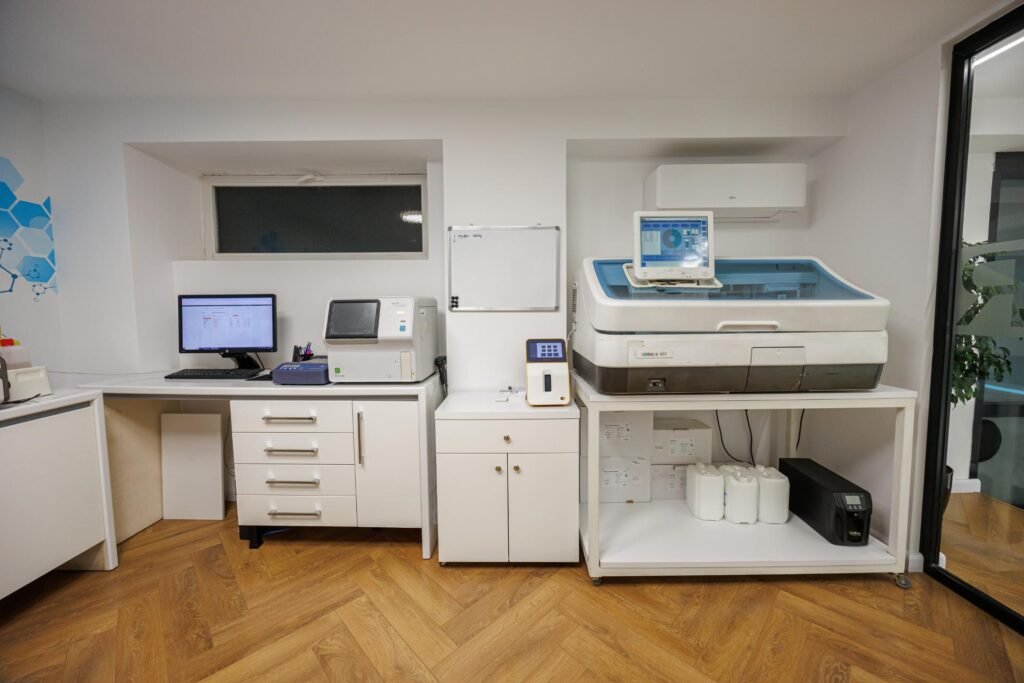
- Kidney ultrasound – shows the size and structure of the kidneys, stones or blockages in the urinary tract.
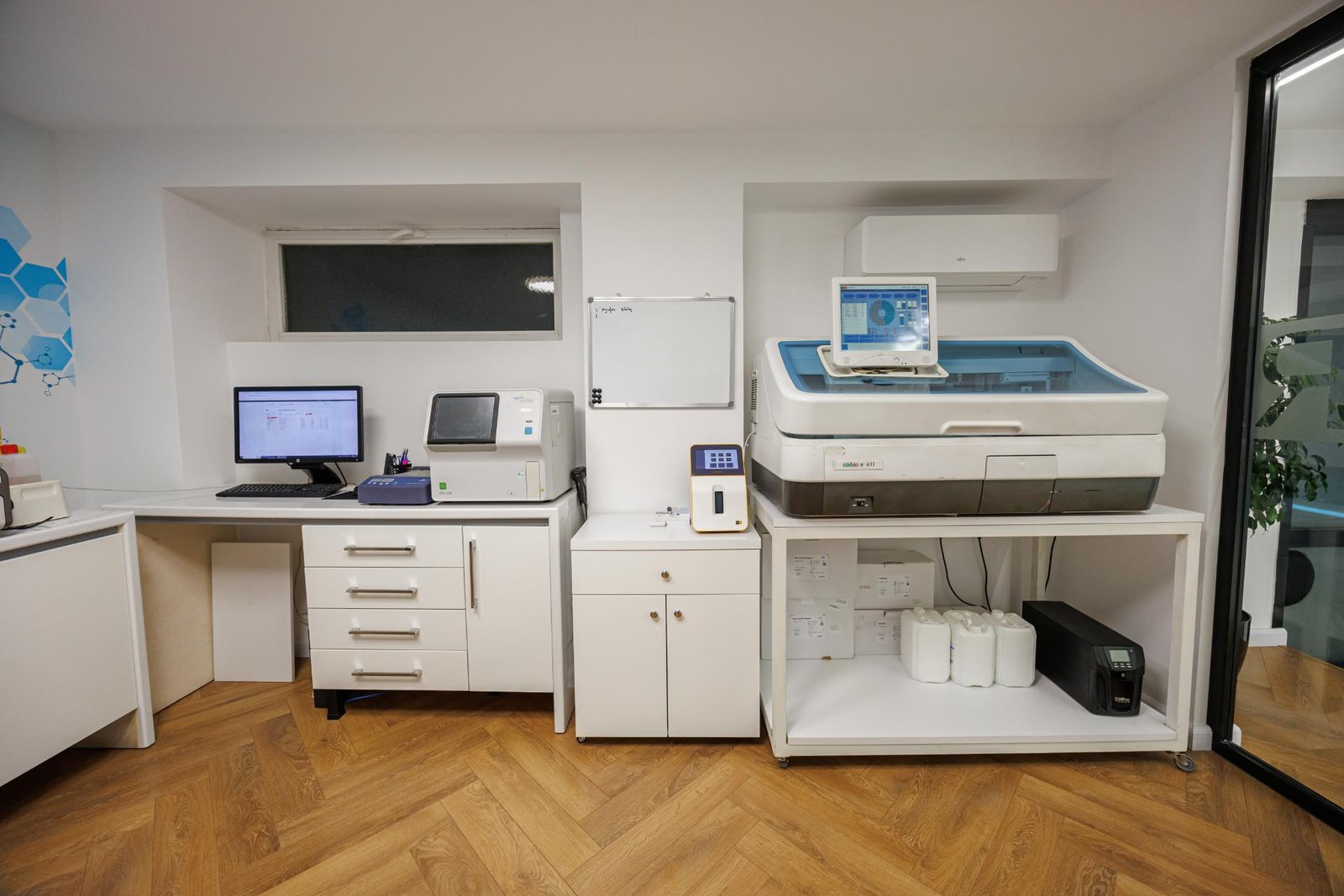
You can have blood and urine tests done at our laboratory and the ultrasound at our imaging service.
How to protect your kidneys
- keep your blood pressure and blood sugar under control
- drink water according to your needs, without overdoing it
- cut down on salt and processed foods
- do not take anti-inflammatory painkillers for long periods without medical advice
- do not smoke, and keep a healthy weight
When should you see a doctor?
Book a consultation if you notice swelling that does not go away, changes in your urine or unexplained tiredness, or if you have diabetes or high blood pressure and have not had your kidneys checked in the past year. At Dr. Medical Clinic & Lab you can have a nephrology consultation, blood and urine tests, and a kidney ultrasound. If hospital tests or treatment are needed, our staff will guide you.
This article is for information only and does not replace a consultation with a doctor.
Book a consultation
Call us or message us to book your consultation at a time that suits you.
Recent posts
Cardiac check-up for athletes: when and why
Heart valve disease: stenosis and regurgitation
Chest pain: when is it your heart?
Blog
Read also

Cardiac check-up for athletes: when and why
Who should have a heart check before sport, what it includes and which signs during exertion should never
Heart valve disease: stenosis and regurgitation
How valve stenosis differs from regurgitation, the main causes and symptoms, and why an echocardiogram is the key
Chest pain: when is it your heart?
Chest pain does not always come from the heart. Learn the warning signs, other causes and how a
Have questions about your health?
Book a consultation with our doctors.