Blog
Chronic kidney disease
Published on 23 March 2023 · Updated on 1 October 2026 · Dr. Medical Clinic & Lab
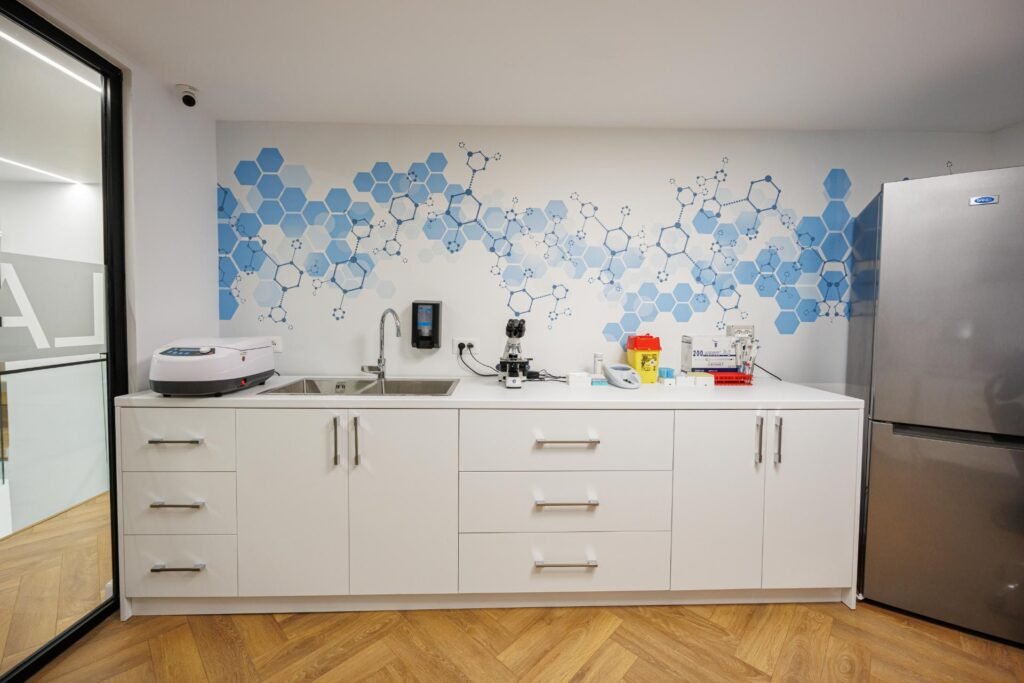
Chronic kidney disease (CKD) is damage to, or reduced function of, the kidneys that lasts longer than three months. The kidneys filter the blood, remove waste and excess water, regulate blood pressure and help produce red blood cells. When they are damaged slowly, there are often no symptoms for a long time – which is why regular check-ups are so important.
Main causes
- Diabetes – the most common cause of chronic kidney disease.
- High blood pressure – gradually damages the small blood vessels in the kidneys.
- Inflammatory kidney diseases (glomerulonephritis).
- Polycystic kidney disease and other inherited diseases.
- Long-standing obstruction of the urinary tract (kidney stones, enlarged prostate) and recurrent infections.
- Long-term use of certain medicines, such as painkillers (anti-inflammatories), without a doctor’s advice.
Symptoms
In the early stages, most people feel nothing. As kidney function declines further, the following may appear:
- tiredness and weakness
- swelling of the legs, ankles or around the eyes
- changes in urination: foamy urine, more frequent urination at night
- itchy skin
- loss of appetite, nausea
- shortness of breath
- high blood pressure that is difficult to control
How it is diagnosed
Chronic kidney disease is detected mainly with simple blood and urine tests, which you can have done at our laboratory:
- Blood creatinine – used to calculate the eGFR, which shows how well the kidneys are filtering.
- Urea and electrolytes (sodium, potassium).
- Urine microalbumin – an early sign of kidney damage, especially in people with diabetes.
- Complete urinalysis – for protein, blood or signs of infection.
- Complete blood count – to check for anemia.
- Kidney ultrasound – shows the size and structure of the kidneys; performed at the clinic’s imaging department.
Stages of the disease
Based on the eGFR, the disease is divided into five stages: from stage 1, where function is still normal but there are signs of damage (e.g. protein in the urine), to stage 5, when the kidneys work very little and dialysis or a transplant may be needed. The earlier the disease is detected, the more its progression can be slowed.
Treatment and prevention
The aim is to slow kidney damage and prevent complications:
- keeping blood sugar under control, with the help of an endocrinologist;
- keeping blood pressure under control – a 24-hour blood pressure (ABPM) monitor helps assess it over 24 hours;
- less salt in your diet and a healthy weight;
- avoiding painkillers without a doctor’s advice;
- quitting smoking;
- regular tests if you have diabetes, high blood pressure or a family history of kidney disease.
The doctor sets the treatment according to the stage and cause of the disease, and monitors it with regular tests.
When should you see a doctor?
Book a consultation if you have diabetes or high blood pressure and have not had your kidneys checked in the past year, or if you notice swelling, changes in urination or unexplained tiredness. At Dr. Medical Clinic & Lab we offer kidney function tests, ultrasound and consultations with a nephrologist.
This article is for information only and does not replace a consultation with a doctor.
Book a consultation
Call us or message us to book your consultation at a time that suits you.
Recent posts
Blog
Read also
The importance of regular check-ups: why should you get checked even when you feel well?
A regular check-up is essential for the early detection of disease. Many health problems develop silently, with no

Hormones and women’s reproductive health: when is it time for a check-up?
Hormones are among the most important regulators of the female body. Hormones and reproductive health are closely linked:

Pap test and gynecological ultrasound: two important steps in cancer prevention
Cervical cancer is among the most common cancers in women, but it is also one of the most
Have questions about your health?
Book a consultation with our doctors.