Blog
Heart valve disease: stenosis and regurgitation
Published on 4 October 2026 · Dr. Medical Clinic & Lab
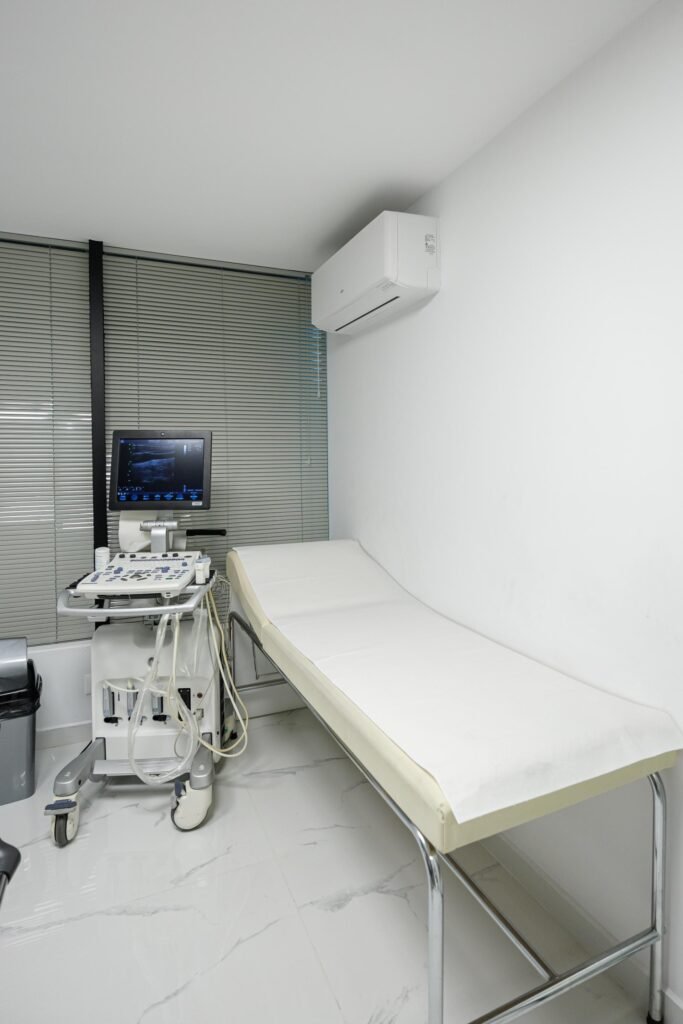
Heart valve disease occurs when one or more of the heart’s four valves do not open or close properly. The valves work like one-way doors that let blood flow in only one direction. When they are damaged, the heart has to work harder and over time it becomes tired. Many valve conditions develop slowly and cause no symptoms for years, which is why check-ups with a cardiologist and an echocardiogram are so important.
Stenosis and regurgitation
- Stenosis (narrowing) – the valve becomes thick or stiff and does not open fully, so blood struggles to get through.
- Regurgitation or insufficiency (leaking) – the valve does not close properly and some blood flows backwards.
A valve can have both problems at once. The aortic and mitral valves are affected most often.
The aortic valve
Aortic stenosis is one of the most common valve diseases in older people. It is usually caused by calcium build-up over the years. Aortic regurgitation can be linked to a widened aorta or infection.
The mitral valve
Mitral regurgitation is also common. It can be caused by mitral valve prolapse, an enlarged heart or a previous heart attack. Mitral stenosis is rarer today and is usually a consequence of rheumatic fever.
Causes
- Age – wear and calcification of the valves.
- Rheumatic fever – a complication of an untreated streptococcal throat infection that can damage the valves many years later.
- Congenital abnormalities, such as an aortic valve with two leaflets (bicuspid) instead of three, which can lead to aortic stenosis earlier in life. You can read more in our article on congenital heart disease.
- Endocarditis – an infection of the valves.
- Heart attack and cardiomyopathies, which change the shape of the heart.
Symptoms
In the early stages most people have no symptoms. As the disease progresses, you may notice:
- breathlessness on exertion or when lying flat
- tiredness and being able to do less physically
- chest pain or tightness on exertion
- dizziness or fainting, especially during exertion
- palpitations and swollen legs
If you have severe chest pain, sudden severe breathlessness or you lose consciousness, call the emergency number 127 straight away.
How heart valve disease is diagnosed
The condition is often discovered when a doctor hears a heart murmur with a stethoscope. Not every murmur means disease – some are harmless, especially in children – but a new murmur should be checked. After a cardiology consultation, the main tests are:
- Echocardiogram – the key test. It shows which valve is affected, how severe the stenosis or regurgitation is and how the heart is coping.
- Transoesophageal echocardiogram – gives a more detailed view of the valves, especially the mitral valve, when a standard echo is not enough or a procedure is being planned.
- ECG – to check the heart rhythm, for example atrial fibrillation, which often accompanies mitral valve disease.
Follow-up and treatment
Mild or moderate disease usually needs only regular follow-up with a consultation and echo, at intervals set by your cardiologist. Medicines can ease symptoms, control blood pressure and heart rhythm or prevent clots, but they do not repair the valve.
When the disease becomes severe or causes symptoms, your cardiologist will discuss repairing or replacing the valve. This is done in hospital, either with open-heart surgery or with catheter-based methods such as TAVI (transcatheter aortic valve implantation) for some patients with aortic stenosis. Coronary angiography is often needed before the procedure; at the clinic we offer a coronary angiography consultation. If you have a damaged or artificial valve, good oral hygiene and dental check-ups lower the risk of endocarditis.
When should you see a cardiologist?
Book a consultation if you have been told you have a heart murmur, if you get breathless, have chest pain or feel dizzy on exertion, or if you have had rheumatic fever. Heart valve disease has a much better outcome when it is found early. At Dr. Medical Clinic & Lab, our cardiologists carry out the consultation and echocardiogram in the same clinic, monitor your valve over time and refer you to hospital at the right moment when a procedure is needed.
Our cardiology clinic in Tirana
This article is for information only and does not replace a consultation with a doctor.
Book a consultation
Call us or message us to book your consultation at a time that suits you.
Recent posts
Cardiac check-up for athletes: when and why
Who should have a heart check before sport, what it includes and…
Heart valve disease: stenosis and regurgitation
How valve stenosis differs from regurgitation, the main causes and symptoms, and…
Chest pain: when is it your heart?
Chest pain does not always come from the heart. Learn the warning…
Blog
Read also

Cardiac check-up for athletes: when and why
Who should have a heart check before sport, what it includes and which signs during exertion should never
Chest pain: when is it your heart?
Chest pain does not always come from the heart. Learn the warning signs, other causes and how a

Heart failure: causes, symptoms and treatment
What heart failure is, how to recognise breathlessness and swelling, how it is diagnosed and how to look
Have questions about your health?
Book a consultation with our doctors.