Blog
Atrial fibrillation: symptoms, stroke risk and treatment
Published on 4 October 2026 · Dr. Medical Clinic & Lab
Atrial fibrillation is the most common heart rhythm disorder in adults. Instead of contracting in a regular way, the atria (the upper chambers of the heart) quiver quickly and chaotically, so the heart beats irregularly and often too fast. Atrial fibrillation becomes more common with age and, even when it causes no discomfort, it significantly increases the risk of stroke. The good news is that it is easy to diagnose and, with the right treatment, most people live a normal life.
Why does it raise the risk of stroke?
When the atria do not contract properly, blood stays in them for longer, especially in a small pouch of the left atrium. Blood clots can form there. If a clot breaks loose, it can travel to the brain, block an artery and cause a stroke. That is why treatment aims not only to ease symptoms but also to prevent stroke.
Causes and risk factors
- age, especially over 65
- high blood pressure
- coronary artery disease and a previous heart attack
- heart failure and heart valve disease
- diabetes, obesity and sleep apnoea
- thyroid disease, particularly an overactive thyroid
- drinking too much alcohol
In some people no clear cause is found.
Symptoms
Some patients feel nothing at all, and the condition is discovered by chance during a check-up or an ECG. The most common symptoms are:
- palpitations – a feeling of fast, strong or irregular heartbeats
- tiredness and reduced ability to exert yourself
- shortness of breath, especially when moving
- dizziness or feeling faint
- chest discomfort or pain
Atrial fibrillation can come in episodes that stop on their own, or it can be continuous. Call the emergency number 127 straight away if palpitations come with severe chest pain, fainting or severe breathlessness, or if you notice signs of a stroke: a drooping face, sudden weakness in an arm or leg, or difficulty speaking.
How atrial fibrillation is diagnosed
Diagnosis starts with a cardiology consultation, where the doctor asks about your symptoms, measures your blood pressure and listens to your heart. The main tests are:
- ECG – confirms the diagnosis if the arrhythmia is present during the recording.
- Holter monitoring – records your heart rhythm for 24 hours or longer; useful when episodes come and go.
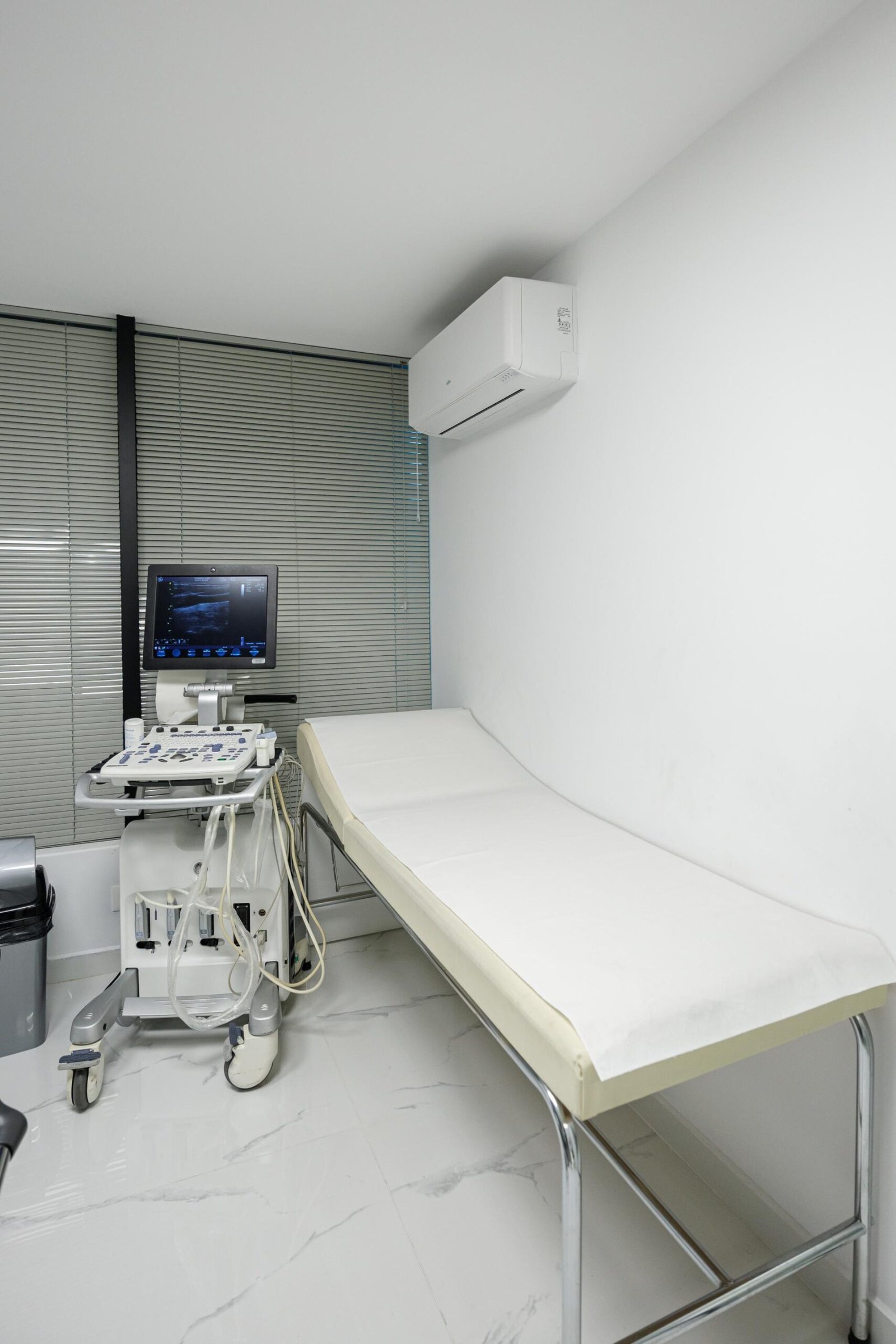
- Echocardiogram – assesses the size of the atria, the strength of the heart and the valves.
- Laboratory tests – thyroid function, kidneys, electrolytes and a full blood count, which help find the cause and choose the treatment.
Treatment
Treatment is tailored to each patient and decided by the cardiologist. It rests on three pillars:
- Stroke prevention – the cardiologist assesses your individual risk (age, blood pressure, diabetes, previous illnesses, etc.) and decides whether you need anticoagulant medicines, which stop the blood from clotting. These medicines are taken only on medical advice and with regular follow-up.
- Rate control – medicines that slow the heartbeat so the heart works more efficiently.
- Rhythm control – restoring and keeping a normal rhythm with antiarrhythmic medicines, electrical cardioversion or, in selected patients, catheter ablation. Cardioversion and ablation are performed in hospital.
Just as important is controlling the factors that drive the arrhythmia: high blood pressure, diabetes, excess weight, sleep apnoea and alcohol.
Living with atrial fibrillation
- Take your medicines regularly and do not stop them without talking to your doctor, especially anticoagulants.
- Tell every doctor or dentist that you take medicines against blood clotting.
- Keep an eye on your blood pressure and maintain a healthy weight.
- Limit alcohol and stay active, as advised by your cardiologist.
- Have regular check-ups with an ECG and blood tests, as recommended.
When should you see a cardiologist?
Book a consultation if you notice an irregular or fast heartbeat, tiredness or breathlessness without a clear reason, or if your blood pressure monitor or smartwatch has flagged an irregular rhythm. At Dr. Medical Clinic & Lab, our cardiologists carry out the consultation, ECG, Holter monitoring, echocardiogram and lab tests in the same clinic, and guide you when hospital treatment is needed.
Read more about cardiac arrhythmias.
This article is for information only and does not replace a consultation with a doctor.
Book a consultation
Call us or message us to book your consultation at a time that suits you.
Recent posts
Cardiac check-up for athletes: when and why
Who should have a heart check before sport, what it includes and…
Heart valve disease: stenosis and regurgitation
How valve stenosis differs from regurgitation, the main causes and symptoms, and…
Chest pain: when is it your heart?
Chest pain does not always come from the heart. Learn the warning…
Blog
Read also

Cardiac check-up for athletes: when and why
Who should have a heart check before sport, what it includes and which signs during exertion should never
Heart valve disease: stenosis and regurgitation
How valve stenosis differs from regurgitation, the main causes and symptoms, and why an echocardiogram is the key
Chest pain: when is it your heart?
Chest pain does not always come from the heart. Learn the warning signs, other causes and how a
Have questions about your health?
Book a consultation with our doctors.