Blog
Colitis
Published on March 22, 2023 · Updated on 4 October 2026 · Dr. Medical Clinic & Lab

Colitis is inflammation of the large bowel (colon). It can be temporary, for example due to an infection, or long-term, as in ulcerative colitis – an inflammatory bowel disease that causes inflammation and ulcers (sores) in the inner lining of the large bowel. Colitis can be debilitating and can sometimes lead to dangerous complications, so getting an accurate diagnosis and timely treatment matters.
Types and causes of colitis
- Infectious colitis – caused by bacteria, viruses or parasites, often after contaminated food or water. A particular form can develop after taking antibiotics.
- Ulcerative colitis – a long-term condition. The exact cause remains unknown, but possible causes include immune system dysfunction and family history.
- Crohn’s disease – another inflammatory bowel disease, which can also affect the large bowel.
- Ischaemic colitis – when blood flow to the bowel is reduced; it is more common in older people.
- Microscopic colitis – causes prolonged watery diarrhoea and can only be identified with a biopsy.
Stress does not cause colitis, but it can make symptoms worse for some people.
Symptoms of colitis
Signs and symptoms may include:
- diarrhoea, sometimes with blood or mucus
- abdominal pain and cramps
- rectal pain and an urgent need to go to the toilet
- weight loss
- tiredness
- fever
In ulcerative colitis, symptoms usually come in flare-ups, followed by periods when the disease settles down.
If you have heavy bleeding from the rectum, severe abdominal pain with a swollen belly, a high fever or signs of dehydration (very dry mouth, passing little urine, dizziness), call the emergency number 127 straight away.
How it is diagnosed
Diagnosis starts with a consultation, where the doctor asks about your symptoms, the medicines you take and your family history. The most common tests are:
- Blood tests – a full blood count and markers of inflammation, such as CRP.
- Stool tests – to check for infection and for faecal calprotectin, which shows inflammation in the bowel.
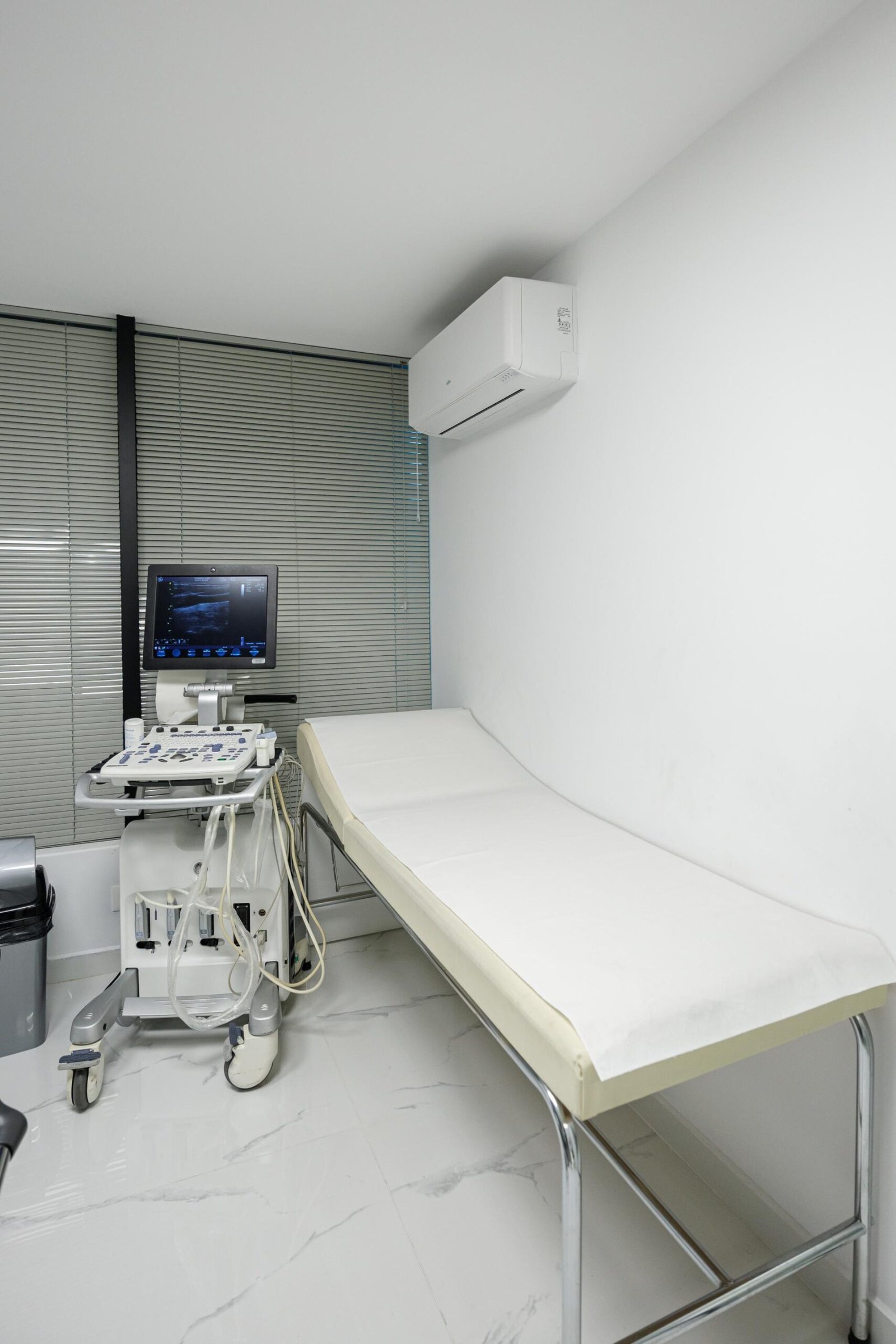
- Abdominal ultrasound – can show thickening of the bowel wall.
- Colonoscopy with biopsy – the key test to confirm ulcerative colitis and other long-term types. It is done in hospital or in specialised centres.
Treatment
Treatment depends on the type of colitis:
- Infectious colitis often settles with rest and plenty of fluids; some cases need antibiotics, which must be prescribed by a doctor.
- Ulcerative colitis has no medicine that cures it for good yet, but treatment can greatly reduce the signs and symptoms and bring long-term remission. Anti-inflammatory medicines are used, corticosteroids for flare-ups and, where needed, medicines that regulate the immune system. In severe cases, surgery in hospital may be needed.
- Ischaemic colitis and other forms are treated according to the cause.
Don’t take anti-diarrhoea medicines without medical advice if you have blood in your stool or a fever.
Living with colitis
During flare-ups, small and frequent meals, enough fluids and avoiding foods that worsen your symptoms can help. In ulcerative colitis that has lasted for years, your doctor may recommend regular check-up colonoscopies, because the risk of bowel cancer is increased.
When should you see a doctor?
Book a consultation if diarrhoea lasts more than a few days, you notice blood in your stool, you have recurring abdominal pain or you lose weight for no clear reason. At Dr. Medical Clinic & Lab you can have a gastroenterology and hepatology consultation, blood and stool tests in our laboratory and an abdominal ultrasound, and our doctors will guide you when a colonoscopy or hospital treatment is needed.
This article is for information only and does not replace a consultation with a doctor.
Book a consultation
Call us or message us to book your consultation at a time that suits you.
Recent posts
Cardiac check-up for athletes: when and why
Heart valve disease: stenosis and regurgitation
Chest pain: when is it your heart?
Heart failure: causes, symptoms and treatment
Atrial fibrillation: symptoms, stroke risk and treatment
5 signs that you need a hormone check
Congenital Heart Disease
Pediatric Care at Dr. Medical Clinic & Lab
Cardiology Care at Dr. Medical Clinic & Lab
Advanced Diagnostics at Dr. Medical Clinic & Lab
Get Tested for Free
Polycystic Ovary Syndrome
The Importance of Vitamin B-100 Complex
4 key benefits of probiotics
Cardiology Consultation
Acute Myocardial Infarction
Type 2 Diabetes
7 Ways to Manage Stress in Everyday Life
Cardiovascular Health
5 main reasons why you should take biotin
Sleep apnea
La Roche-Posay Sunscreens
Cardiologist in Tirana
Foods that promote heart health
Heart care
25%–40% Off with a Student Card
Anemia prevention
Coronary artery disease
Chronic kidney disease
Blog
Read also

Cardiac check-up for athletes: when and why
Who should have a heart check before sport, what it includes and which signs during exertion should never
Heart valve disease: stenosis and regurgitation
How valve stenosis differs from regurgitation, the main causes and symptoms, and why an echocardiogram is the key
Chest pain: when is it your heart?
Chest pain does not always come from the heart. Learn the warning signs, other causes and how a
Have questions about your health?
Book a consultation with our doctors.