Blog
What is the role of the liver in the human body
Published on March 22, 2023 · Updated on 4 October 2026 · Dr. Medical Clinic & Lab
The role of the liver in the human body is much broader than most people think. The liver sits in the upper right part of the abdomen, beneath the ribs, and is the largest gland in the body, closely linked to the digestive system. Every day it carries out many vital processes, and it has a remarkable ability to regenerate.
The role of the liver: its main functions
- Making proteins – such as albumin and the factors that help your blood clot.
- Processing food – the liver processes the sugars, fats and proteins absorbed from the gut and stores glucose as glycogen, releasing it when your body needs energy.
- Producing bile – a fluid that helps digest fats and absorb vitamins A, D, E and K.
- Clearing waste – the liver processes metabolic waste, alcohol and many medicines.
- Processing bilirubin – a pigment formed when old red blood cells break down. When the liver can’t process it properly, the skin and eyes turn yellow.
Causes of liver disease
Liver disease can be inherited (genetic) or caused by factors that damage the liver, such as hepatitis viruses, drinking too much alcohol, excess weight and type 2 diabetes, and some medicines taken in high doses or without medical advice.
Some of the main liver diseases
- Hepatitis – inflammation of the liver caused by viruses, alcohol or the immune system itself (autoimmune hepatitis).
- Fatty liver – a build-up of fat in liver cells, common in people with excess weight or diabetes.
- Cirrhosis – healthy tissue replaced by scar tissue.
- Hepatic encephalopathy – a disturbance of brain function that occurs when a severely diseased liver can no longer clear toxins from the blood.
- Metastases – cancer that has spread to the liver from another organ.
- Caroli syndrome and Reye syndrome – rare conditions. Reye syndrome mainly affects children and is linked to taking aspirin during a viral infection, which is why children should not be given aspirin without a doctor’s advice.
Symptoms
In the early stages, many liver diseases cause no symptoms at all. When symptoms do appear, the most common are:
- abdominal pain and swelling
- yellowing of the skin and eyes
- itchy skin
- dark urine and pale stools
- chronic tiredness
- nausea or vomiting
If you vomit blood, pass black, tar-like stools, or become confused or unusually drowsy, call the emergency number 127 straight away.
Liver tests
Liver function is assessed with a group of blood tests:
- ALT and AST – enzymes that rise when liver cells are damaged.
- GGT – rises especially with bile duct problems and alcohol use.
- Bilirubin – when raised, it causes yellowing of the skin and eyes.
- Albumin – a protein made by the liver; low levels may point to long-standing damage.
Depending on your situation, your doctor may also request tests for hepatitis B and C, clotting tests and an abdominal ultrasound. A liver check package gives you more detailed information and helps detect diseases that can affect the liver early.
How to protect your liver
Given how big the role of the liver is, it is worth looking after: limit alcohol, keep a healthy weight, stay active, don’t take medicines or supplements without medical advice, and ask your doctor whether you need the hepatitis B vaccine. For diet tips, read our article Foods that directly affect liver health.
When should you see a doctor?
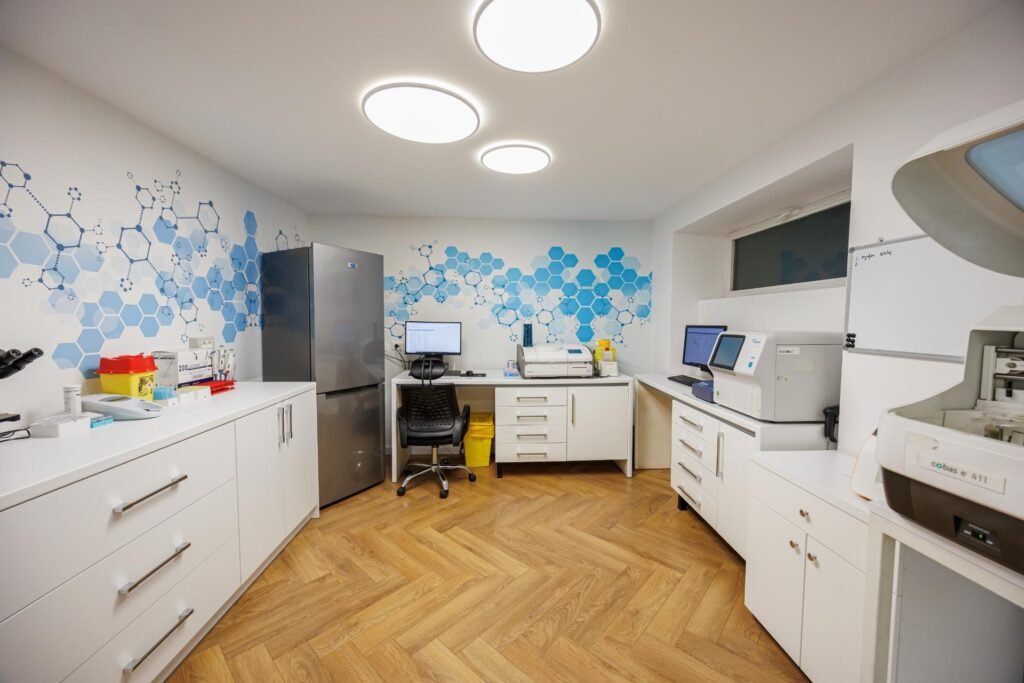
Book a consultation if your skin or eyes turn yellow, your urine is dark, you feel persistently tired, or routine tests have shown raised liver enzymes. At Dr. Medical Clinic & Lab you can have liver tests in our laboratory, an abdominal ultrasound and a gastroenterology and hepatology consultation in the same clinic.
This article is for information only and does not replace a consultation with a doctor.
Book a consultation
Call us or message us to book your consultation at a time that suits you.
Recent posts
Cardiac check-up for athletes: when and why
Heart valve disease: stenosis and regurgitation
Chest pain: when is it your heart?
Heart failure: causes, symptoms and treatment
Atrial fibrillation: symptoms, stroke risk and treatment
5 signs that you need a hormone check
Congenital Heart Disease
Pediatric Care at Dr. Medical Clinic & Lab
Cardiology Care at Dr. Medical Clinic & Lab
Advanced Diagnostics at Dr. Medical Clinic & Lab
Get Tested for Free
Polycystic Ovary Syndrome
The Importance of Vitamin B-100 Complex
4 key benefits of probiotics
Cardiology Consultation
Acute Myocardial Infarction
Type 2 Diabetes
7 Ways to Manage Stress in Everyday Life
Cardiovascular Health
5 main reasons why you should take biotin
Sleep apnea
La Roche-Posay Sunscreens
Cardiologist in Tirana
Foods that promote heart health
Heart care
25%–40% Off with a Student Card
Anemia prevention
Coronary artery disease
Chronic kidney disease
Blog
Read also

Cardiac check-up for athletes: when and why
Who should have a heart check before sport, what it includes and which signs during exertion should never
Heart valve disease: stenosis and regurgitation
How valve stenosis differs from regurgitation, the main causes and symptoms, and why an echocardiogram is the key
Chest pain: when is it your heart?
Chest pain does not always come from the heart. Learn the warning signs, other causes and how a
Have questions about your health?
Book a consultation with our doctors.