Blog
Heart failure: causes, symptoms and treatment
Published on 4 October 2026 · Dr. Medical Clinic & Lab
Heart failure, often called a “weak heart”, is a condition in which the heart cannot pump blood as well as the body needs. As a result, your organs receive less oxygen and fluid builds up in the lungs, legs or abdomen. Heart failure is a long-term condition, but with early diagnosis, the right medicines and daily self-care, many people live active lives for many years.
Causes
Heart failure is usually the result of another condition that has damaged or overworked the heart over time. The most common causes are:
- Coronary artery disease and a previous heart attack, which damage the heart muscle.
- High blood pressure left uncontrolled for years, which forces the heart to work harder.
- Heart valve disease (narrowed or leaking valves).
- Cardiomyopathies – diseases of the heart muscle itself, some of them inherited.
- Arrhythmias such as atrial fibrillation, when the heart beats too fast or irregularly for a long time.
- Diabetes, obesity, heavy drinking, some chemotherapy drugs and viral infections of the heart (myocarditis).
Symptoms
Symptoms usually develop slowly and are easily mistaken for ageing:
- breathlessness when moving or climbing stairs and, in more advanced stages, even at rest
- breathlessness when lying flat, needing several pillows to sleep, or waking at night short of breath
- swollen ankles, legs or abdomen
- ongoing tiredness and weakness, being able to do less physically
- rapid weight gain over a few days because of fluid retention
If breathlessness comes on suddenly or is very severe, or if you have chest pain, a cough with frothy sputum or you faint, call the emergency number 127 straight away.
How heart failure is diagnosed
Diagnosis starts with a cardiology consultation: the doctor asks about your symptoms and other conditions, listens to your heart and lungs and checks for swelling. The main tests are:
- Echocardiogram – the most important test. It measures how well the heart pumps (the ejection fraction), the size of its chambers and the state of the valves.
- ECG – shows the heart rhythm and signs of an old heart attack or a thickened heart muscle.
- Laboratory tests – including NT-proBNP, a hormone that rises when the heart is under strain, as well as kidney function, salts (sodium, potassium), haemoglobin, thyroid and blood sugar.
Treatment
Treatment aims to relieve symptoms, slow the disease and reduce hospital admissions. It is decided by your cardiologist according to the type of heart failure and your overall health:
- Treating the cause – controlling blood pressure, coronary disease, arrhythmias or valve problems.
- Medicines – several groups of drugs, such as diuretics that remove excess fluid and medicines that protect the heart muscle, improve symptoms and life expectancy. Doses are adjusted gradually by your doctor.
- Devices – some patients benefit from an implantable defibrillator or a cardiac resynchronisation device (CRT). These are fitted in hospital.
Daily self-care
What you do every day matters as much as your medicines:
- Weigh yourself every morning, after using the toilet and before eating. A rapid gain (for example more than 2 kg in 3 days) can be a sign of fluid build-up – let your doctor know.
- Cut down on salt – avoid processed foods, salty cheeses and cured meats, and don’t add salt at the table.
- Take your medicines regularly, even when you feel well, and don’t stop them without talking to your doctor.
- Stay gently and regularly active, for example walking, as advised by your cardiologist.
- Don’t smoke, limit alcohol and ask your doctor about flu and pneumococcal vaccines.
When should you see a cardiologist?
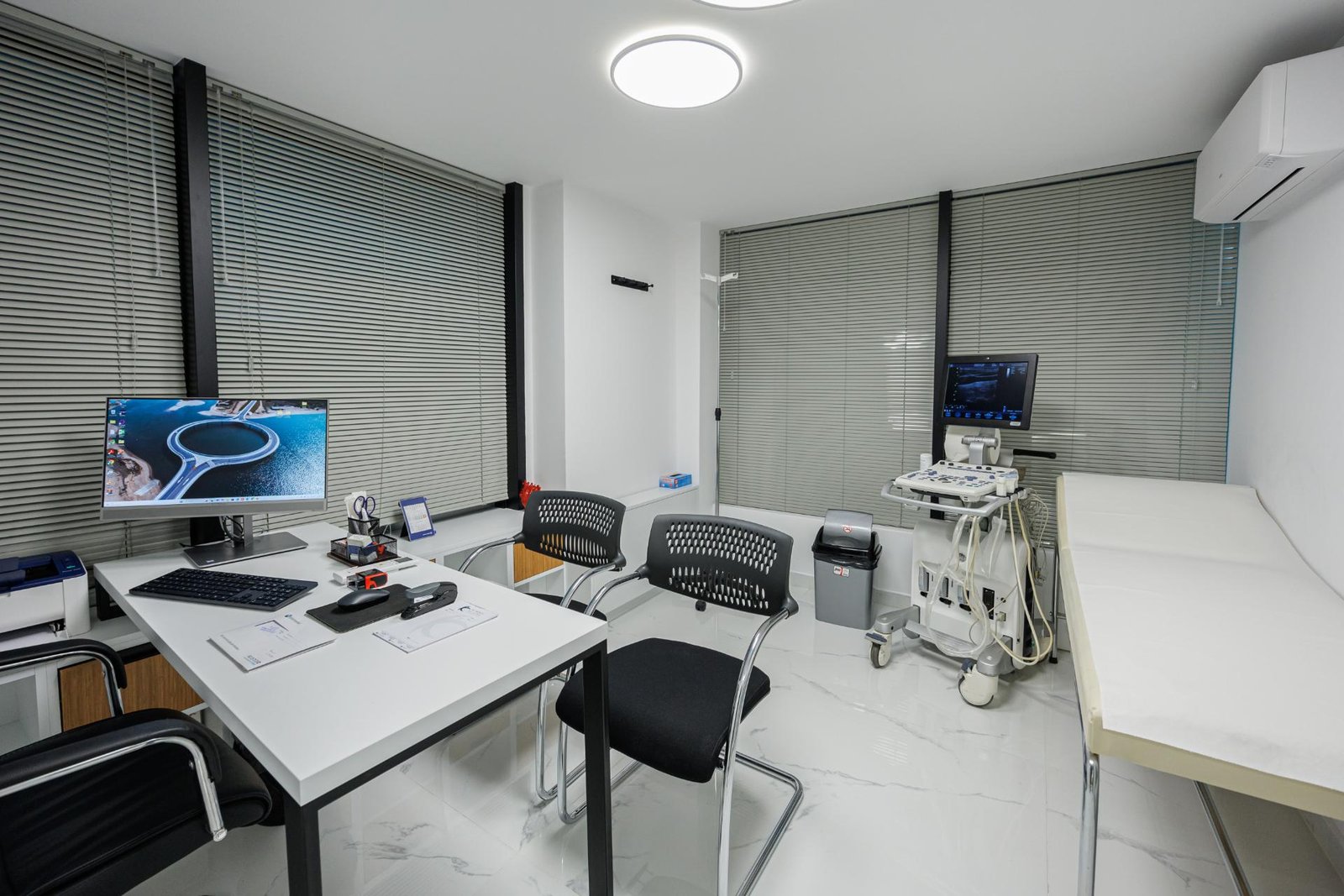
Book a consultation if you have breathlessness that is getting worse, swollen legs or unexplained tiredness, especially if you have high blood pressure or diabetes or have had a heart attack. Keeping your blood pressure under control is one of the best ways to prevent heart failure. At Dr. Medical Clinic & Lab, our cardiologists carry out the consultation, ECG, echocardiogram and lab tests in the same clinic and refer you to hospital when treatment there is needed.
Our cardiology clinic in Tirana
This article is for information only and does not replace a consultation with a doctor.
Book a consultation
Call us or message us to book your consultation at a time that suits you.
Recent posts
Cardiac check-up for athletes: when and why
Who should have a heart check before sport, what it includes and…
Heart valve disease: stenosis and regurgitation
How valve stenosis differs from regurgitation, the main causes and symptoms, and…
Chest pain: when is it your heart?
Chest pain does not always come from the heart. Learn the warning…
Blog
Read also

Atrial fibrillation: symptoms, stroke risk and treatment
Atrial fibrillation is the most common arrhythmia and raises the risk of stroke. Learn the symptoms, diagnosis and

Does stress affect blood test results? Yes, and more than you think
Stress is not just a mental state – it affects the whole body. Stress and blood tests are
The importance of regular check-ups: why should you get checked even when you feel well?
A regular check-up is essential for the early detection of disease. Many health problems develop silently, with no
Have questions about your health?
Book a consultation with our doctors.