Blog
Heart tumors
Published on 22 March 2023 · Updated on 1 October 2026 · Dr. Medical Clinic & Lab
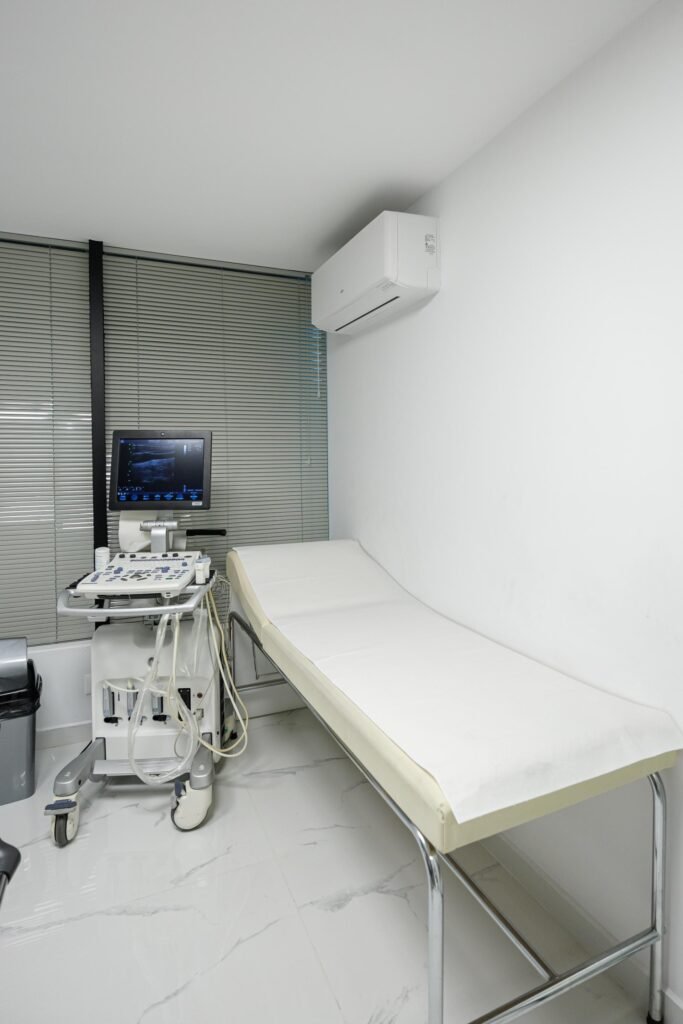
Heart tumors are abnormal growths of tissue inside or around the heart. They are very rare, but it is important to know about them, because some can cause serious symptoms even when they are benign (non-cancerous). The good news is that most heart tumors can be diagnosed with painless examinations, such as a heart ultrasound.
Types of heart tumors
Heart tumors are divided into two main groups:
- Primary tumors – originate in the heart itself. They are very rare and most of them are benign.
- Secondary tumors (metastases) – come from a cancer in another part of the body, such as the lungs, breast, melanoma or lymphoma. They are much more common than primary tumors.
Benign tumors
- Myxoma – the most common primary tumor in adults; about half of primary heart tumors are myxomas. It usually grows in the left atrium and can obstruct blood flow through the mitral valve.
- Papillary fibroelastoma – a small tumor that usually attaches to the heart valves.
- Lipoma – a tumor made up of fatty tissue.
- Rhabdomyoma and fibroma – the most common tumors in children. Rhabdomyoma is often linked to the genetic disease tuberous sclerosis and may shrink on its own over time.
Malignant tumors
Primary malignant heart tumors, such as sarcomas (e.g. angiosarcoma), are extremely rare. They grow faster and require treatment at specialized centers.
Symptoms
Many small tumors cause no symptoms and are discovered by chance during a heart ultrasound. When symptoms do appear, they depend on the size and location of the tumor:
- shortness of breath, especially during activity or when lying down
- palpitations or an irregular heartbeat
- chest pain or tightness
- dizziness or fainting
- swelling of the legs or abdomen
- tiredness, fever, weight loss or joint pain without a clear cause
- signs of a blood clot breaking loose (embolism), such as sudden weakness of an arm or leg, or difficulty speaking
In case of severe chest pain, severe difficulty breathing or signs of a stroke, call emergency services immediately on 127.
How they are diagnosed
Diagnosis starts with a cardiology consultation, where the doctor listens to the heart and assesses the symptoms. The main examinations are:
- Echocardiogram (heart ultrasound) – the first and most important examination. It shows the size, location and movement of the tumor.
- Transesophageal echocardiogram (TEE) – gives a more detailed view, especially of small tumors or those near the valves.
- ECG and Holter (heart rhythm) monitor – to assess rhythm disorders the tumor may cause.
- Cardiac magnetic resonance imaging (MRI) or CT scan – help determine the type of tumor and plan treatment. These are performed in hospital.
- Lab tests – to assess general health and signs of inflammation.
Treatment
Treatment depends on the type, size and location of the tumor:
- Myxomas and many other benign tumors are usually removed surgically, because they can obstruct blood flow or cause embolism. After removal, the results are generally very good.
- Some small tumors without symptoms, such as rhabdomyomas in children, may simply be monitored with regular ultrasounds.
- Malignant tumors and metastases are treated by a team of specialists, with a combination of surgery, chemotherapy or radiation therapy.
After treatment, regular check-ups with a cardiologist and heart ultrasounds are important, because some tumors can recur.
When should you see a cardiologist?
Book a consultation if you have shortness of breath, palpitations or dizziness without a clear cause, if a doctor has heard a new heart murmur, or if there are cases of heart tumors or tuberous sclerosis in your family. At Dr. Medical Clinic & Lab, our cardiologists carry out the consultation, heart ultrasound and other examinations at the same clinic, and guide you when hospital examinations or treatment are needed.
Our cardiology clinic in Tirana · Cardiologist in Tirana
This article is for information only and does not replace a consultation with a doctor.
Book a consultation
Call us or message us to book your consultation at a time that suits you.
Recent posts
Stress is not just a mental state – it affects the whole…
The importance of regular check-ups: why should you get checked even when you feel well?
A regular check-up is essential for the early detection of disease. Many…
Hormones are among the most important regulators of the female body. Hormones…
Blog
Read also
The importance of regular check-ups: why should you get checked even when you feel well?
A regular check-up is essential for the early detection of disease. Many health problems develop silently, with no

Hormones and women’s reproductive health: when is it time for a check-up?
Hormones are among the most important regulators of the female body. Hormones and reproductive health are closely linked:

Pap test and gynecological ultrasound: two important steps in cancer prevention
Cervical cancer is among the most common cancers in women, but it is also one of the most
Have questions about your health?
Book a consultation with our doctors.